How to Lower Cholesterol Naturally
High cholesterol is an important cardiovascular risk factor, but diet, physical activity and other lifestyle changes can make a difference. Here are the main evidence-based strategies to consider.
What is cholesterol?
Cholesterol is a fatty substance that the body needs to function normally. It contributes to cell membranes and is involved in the production of certain hormones and other important substances.
The body produces cholesterol naturally, while diet can also influence the amount and type of cholesterol circulating in the blood.
Having cholesterol is therefore not inherently unhealthy. The concern arises when particular blood lipid levels are outside a healthy range and contribute to cardiovascular risk.
LDL and HDL cholesterol: what is the difference?
When discussing cholesterol, two terms appear particularly often: LDL and HDL.
LDL cholesterol is commonly referred to as “bad cholesterol”. Persistently elevated LDL levels can contribute to the accumulation of cholesterol-containing deposits within artery walls and are associated with increased cardiovascular risk.
HDL is commonly described as “good cholesterol” because it participates in transporting cholesterol away from peripheral tissues towards the liver.
However, cardiovascular risk cannot be understood from a single number. Total cholesterol, LDL, HDL, triglycerides and other individual risk factors may all be relevant.
Can you lower cholesterol naturally?
Lifestyle changes can have a meaningful effect on cholesterol levels for many people.
The extent of the effect varies according to genetics, starting cholesterol levels, diet, body weight, physical activity and other health factors.
For some people, lifestyle measures may be sufficient to achieve appropriate cholesterol levels. For others, medication may also be necessary.
The goal should therefore not be to avoid medication at all costs, but to improve the factors that can realistically be influenced while following appropriate medical advice.
1. Reduce saturated fat
One of the most established dietary strategies for managing LDL cholesterol is paying attention to the amount of saturated fat in the diet.
Foods that can contribute significant amounts of saturated fat include:
- fatty and processed meats;
- butter and lard;
- some cheeses and full-fat dairy products;
- cakes, biscuits and certain baked products;
- foods containing substantial amounts of coconut or palm fat.
Rather than simply removing fat from the diet, it can be more useful to replace sources of saturated fat with foods containing unsaturated fats.
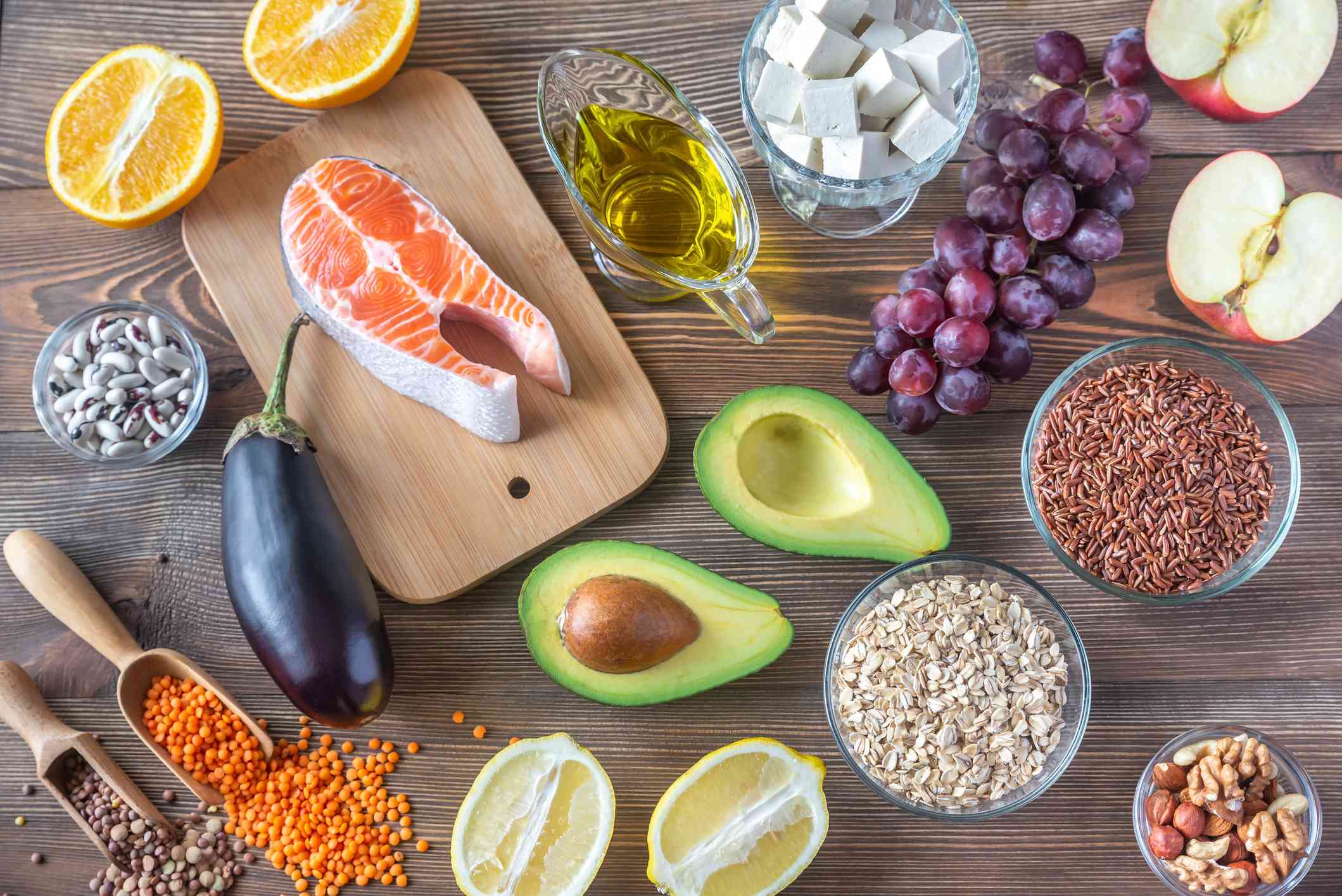
Examples include olive oil, nuts, seeds and certain types of fish.
2. Eat more soluble fibre
Fibre is an important component of a cholesterol-conscious diet.
Soluble fibre is particularly interesting because it can influence the absorption and handling of cholesterol and bile acids in the digestive system.
Useful sources include:
- oats;
- barley;
- beans;
- lentils;
- chickpeas;
- peas;
- apples and other fruits;
- certain vegetables.
Increasing fibre intake also has advantages beyond cholesterol management and can support digestive health and overall diet quality.
3. Make legumes a regular part of your diet
Beans, lentils, chickpeas and other legumes provide fibre, plant protein and relatively little saturated fat.
They can also replace foods that contain more saturated fat.
For example, replacing some meat-based meals with lentil, bean or chickpea dishes can change several aspects of the diet simultaneously rather than focusing on a single nutrient.
This makes legumes particularly useful within an overall heart-conscious eating pattern.
4. Choose whole grains more often
Whole grains retain more of the original grain structure and generally provide more fibre than highly refined alternatives.
Oats are particularly well known in relation to cholesterol because they contain beta-glucan, a type of soluble fibre.
Other useful choices can include barley, whole-grain breads, whole-grain pasta and brown rice.
The overall dietary pattern remains more important than any single “cholesterol-lowering food”.
5. Include nuts and seeds
Nuts and seeds provide unsaturated fats, fibre and a variety of micronutrients.
They can form part of a balanced cardiovascular-friendly diet, particularly when they replace snacks or foods high in saturated fat.
Because nuts are energy-dense, portion size can still matter, especially for people who are also trying to manage their body weight.
6. Eat fish as part of a balanced diet
Fish can provide an alternative to meats containing larger amounts of saturated fat.
Oily fish also contains long-chain omega-3 fatty acids.
Omega-3 fatty acids should not simply be viewed as substances that directly “remove cholesterol”. Their relationship with cardiovascular health and blood lipids is more complex, and their effects on triglycerides are particularly relevant.
The value of fish should therefore be considered within the broader dietary pattern.
7. Maintain a healthy body weight
For people who are overweight, losing excess weight can improve several cardiovascular risk factors.
Even relatively modest weight changes can be meaningful when they are maintained over time.
Rather than relying on extreme diets, a sustainable combination of appropriate calorie intake, nutritious foods and regular activity is generally a more practical long-term strategy.
People who are already at an appropriate body weight do not need to lose weight simply because their cholesterol is elevated.
8. Exercise regularly
Physical activity provides cardiovascular benefits that extend beyond its effect on cholesterol alone.
Regular exercise can influence blood lipids, fitness, blood pressure, glucose metabolism and body weight.
Useful activity can include:
- brisk walking;
- cycling;
- swimming;
- running;
- other aerobic activities;
- resistance training.
The most useful exercise programme is generally one that can be performed safely and maintained consistently.
9. Avoid smoking
Smoking is a major cardiovascular risk factor.
Cholesterol is only one component of cardiovascular health, so concentrating exclusively on a laboratory cholesterol value while ignoring smoking would provide an incomplete picture of risk.
Stopping smoking can provide substantial cardiovascular benefits regardless of whether cholesterol levels also change.
10. Keep alcohol consumption moderate
Alcohol should not be started as a strategy for improving cholesterol.
Higher alcohol consumption can contribute to a number of health problems and may also increase triglyceride levels in some people.
People who drink alcohol should follow the relevant health guidance for their country and avoid assuming that alcohol provides a necessary cardiovascular benefit.
What about sugar and refined carbohydrates?
Cholesterol management is not solely about avoiding fatty foods.
Diets containing excessive amounts of refined carbohydrates, added sugars and highly processed foods can also be associated with less favourable metabolic profiles, particularly in relation to triglycerides, body weight and glucose regulation.
Replacing these foods with minimally processed sources of carbohydrates, vegetables, fruit, legumes and whole grains can improve the overall quality of the diet.
Are there foods that lower cholesterol?
It is tempting to search for a single food capable of solving high cholesterol, but dietary patterns are more important than individual ingredients.
Foods particularly compatible with a cholesterol-conscious diet include:
- oats and barley;
- beans, lentils and chickpeas;
- vegetables;
- fruit;
- whole grains;
- nuts and seeds;
- olive oil and other sources of unsaturated fats;
- fish.
The benefit is greatest when these foods replace less favourable alternatives rather than simply being added to an otherwise unchanged diet.
What about plant sterols and stanols?
Plant sterols and stanols are compounds naturally present in small amounts in plant foods and are also added to some specialised food products and supplements.
They can reduce intestinal cholesterol absorption and have been investigated extensively in relation to LDL cholesterol.
As with other cholesterol-management strategies, they should be considered as part of the overall diet rather than as a substitute for addressing other cardiovascular risk factors.
Can supplements help with cholesterol?
A number of dietary supplement ingredients are marketed or studied in relation to cholesterol and cardiovascular health.
Examples include red yeast rice, berberine and various other compounds used individually or in combination formulations.
However, supplements differ significantly in their mechanisms, evidence, formulations and safety considerations.
The word “natural” should also not be interpreted as meaning that an ingredient is automatically risk-free.
Red yeast rice and cholesterol
Red yeast rice is produced by fermenting rice with certain strains of Monascus purpureus.
Some preparations can contain naturally occurring substances called monacolins. The best known is monacolin K, which is chemically identical to lovastatin.
This makes red yeast rice substantially different from an ordinary food ingredient and means that warnings, interactions and dosage deserve careful attention.
People taking cholesterol-lowering medication should seek professional advice before combining it with a red yeast rice supplement.
Berberine and cholesterol
Berberine is a naturally occurring plant compound that has attracted scientific interest in relation to lipid and glucose metabolism.
Clinical studies have investigated its potential influence on measures including LDL cholesterol, total cholesterol and triglycerides.
Research remains an evolving area, and berberine should not be considered a direct replacement for prescribed cholesterol-lowering medicines.
It is also biologically active and may interact with medications, making professional advice particularly important for people receiving treatment for existing conditions.
What about CoQ10?
Coenzyme Q10 (CoQ10) is sometimes found in cardiovascular-oriented supplements, but its role should be distinguished from that of ingredients primarily investigated for their effects on cholesterol.
CoQ10 is naturally produced by the body and participates in cellular energy production.
It is frequently discussed alongside statins because cholesterol and CoQ10 production share parts of the same biochemical pathway, and statin therapy can reduce circulating CoQ10 levels.
This does not mean that CoQ10 should itself be considered a cholesterol-lowering treatment.
Combination supplements
Some products combine several ingredients rather than providing a single substance.
ArmoLipid Plus is an example of a multi-ingredient food supplement developed for people interested in complementing dietary and lifestyle measures related to cholesterol management.
When considering a combination product, it is important to examine each ingredient rather than assuming that every component performs the same function.
Formulations may also differ between markets and change over time, so the current product label should always be checked.
When are lifestyle changes not enough?
Healthy lifestyle measures are important whether or not someone takes cholesterol-lowering medication.
However, they are not always sufficient on their own.
Some people have substantially elevated cholesterol because of genetic factors. Others have existing cardiovascular disease, diabetes or a combination of risk factors that makes lowering LDL cholesterol particularly important.
In these circumstances, a healthcare professional may recommend medication in addition to lifestyle changes.
Avoiding necessary treatment simply because a product or intervention is described as “natural” can expose a person to preventable cardiovascular risk.
How do you know if your cholesterol is high?
High cholesterol usually does not cause obvious symptoms.
A person can feel completely healthy while having elevated LDL cholesterol or other lipid abnormalities.
A blood test is therefore the appropriate way to measure cholesterol.
The results should be interpreted in context because cardiovascular risk depends on more than cholesterol alone. Age, blood pressure, smoking, diabetes, family history and existing cardiovascular disease can all influence the overall assessment.
How quickly can cholesterol change?
Changes in diet and lifestyle do not normally produce their full effect overnight.
Consistency matters more than attempting an extremely restrictive diet for a few days.
After making meaningful changes, cholesterol can be measured again at an appropriate interval to determine whether the strategy is working.
The timing of repeat testing depends on individual circumstances and can be discussed with a healthcare professional.
A practical cholesterol-friendly approach
For many people, a sustainable strategy can be surprisingly straightforward:
- eat vegetables and fruit regularly;
- include beans, lentils and other legumes;
- choose whole grains and soluble-fibre-rich foods;
- replace some saturated fats with unsaturated fats;
- include nuts, seeds and appropriate sources of fish;
- remain physically active;
- maintain an appropriate body weight;
- avoid smoking;
- monitor cholesterol through blood testing.
Supplements can then be considered as an additional element where appropriate rather than becoming the foundation of the strategy.
In summary
There is no single natural remedy for high cholesterol.
The strongest approach combines several sustainable habits: limiting saturated fat, increasing fibre-rich plant foods, choosing healthier sources of fat, exercising regularly, maintaining an appropriate body weight and avoiding smoking.
Certain supplements and ingredients, including red yeast rice and berberine, have also attracted scientific interest in cholesterol management, but their potential benefits need to be considered alongside their limitations, interactions and safety considerations.
Most importantly, cholesterol should be measured rather than guessed. People with significantly elevated cholesterol or increased cardiovascular risk should discuss appropriate targets and treatment with a qualified healthcare professional.
Discover ArmoLipid Plus
Learn more about ArmoLipid Plus, a multi-ingredient food supplement designed to complement a cholesterol-conscious diet and healthy lifestyle.
View ArmoLipid PlusLast updated: 10 August 2026